Overview
Renewable generation is inherently variable, leading to challenges in balancing supply and demand on modern power grids. Hybrid energy storage systems (HESS) combine multiple energy storage devices—such as lithium‑ion batteries, supercapacitors, flywheels or hydrogen fuel cells—to harness complementary advantages in energy and power density. This review paper surveys HESS components, design considerations, control strategies and applications for grid integration and transportation sectors.
Key Insights
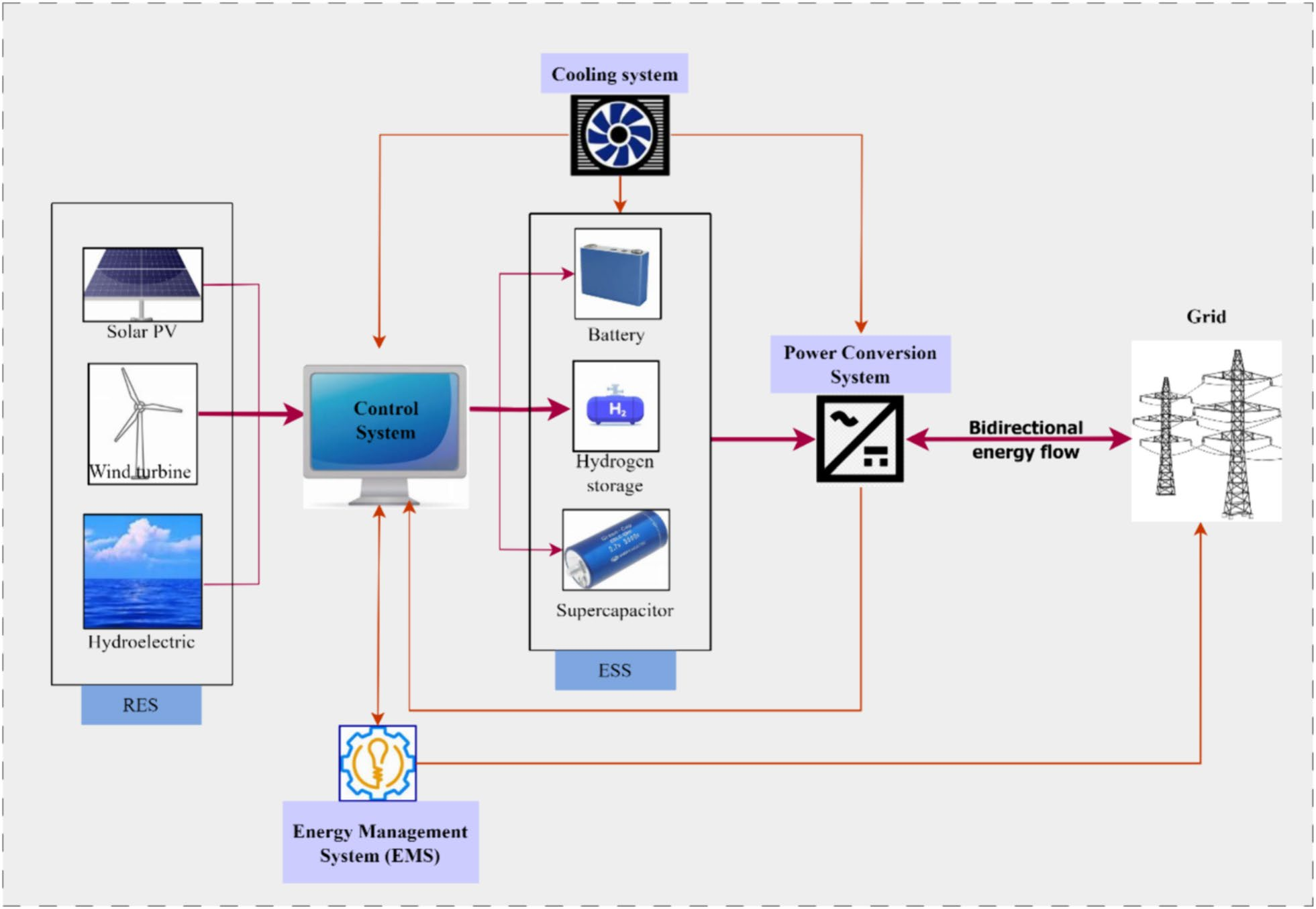
HESS take advantage of the high energy density of batteries and the high power density of devices like supercapacitors and flywheels. They address the short‑term fluctuations inherent in wind and solar power, improve voltage and frequency regulation and can extend the life of individual storage components. The review emphasises the importance of power conversion units, energy management strategies and thermal management systems in ensuring reliable operation [1].
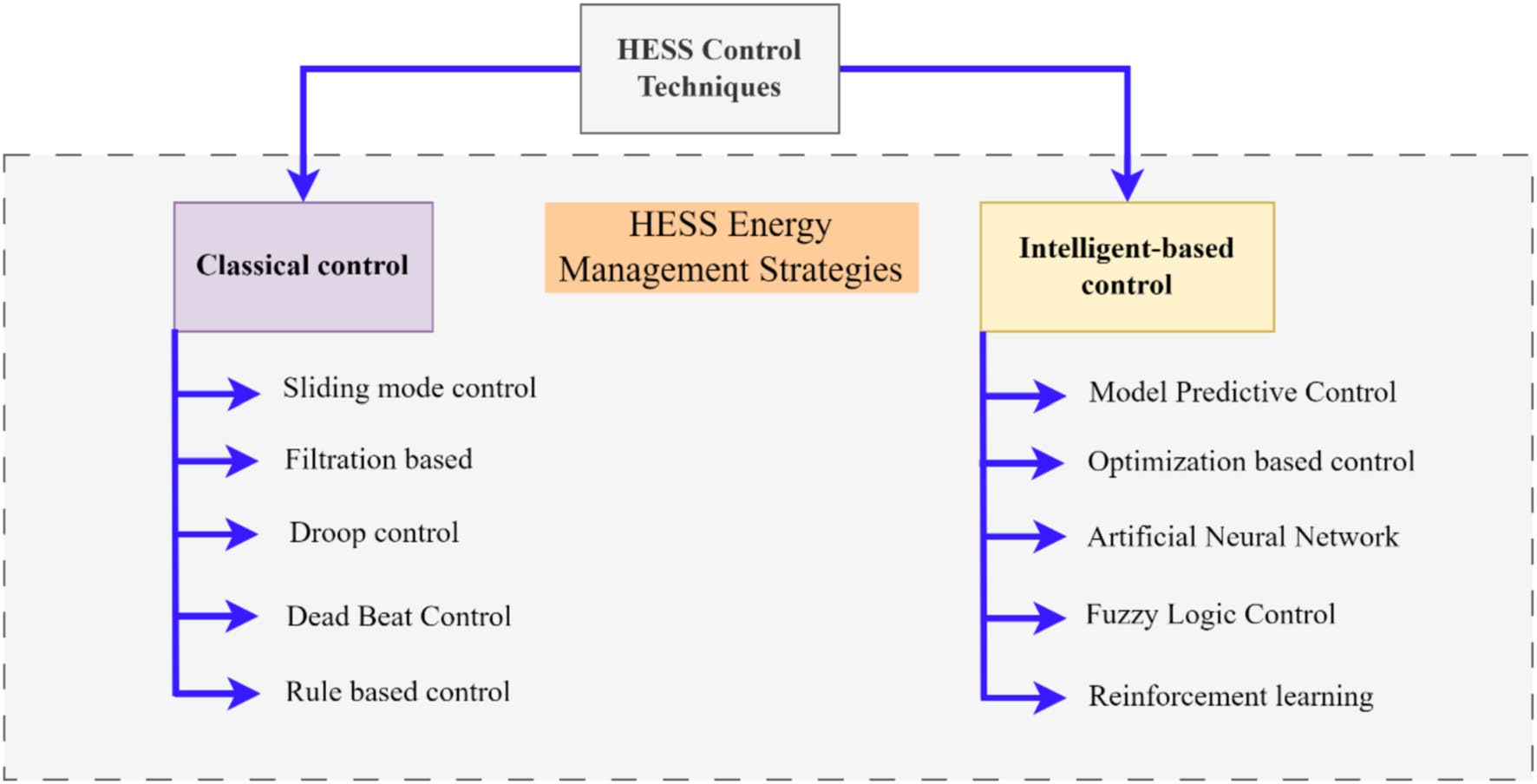
Numerous case studies demonstrate the benefits of HESS in microgrids, electric vehicles and grid‑connected renewable plants. However, broader deployment faces challenges: intelligent control algorithms are needed to coordinate heterogeneous devices, sustainable materials and recycling processes must be developed to minimise environmental impacts, and standardisation is required for interoperability. Future research will focus on AI‑driven energy management, eco‑friendly materials and circular‑economy approaches to ensure the long‑term viability of HESS technologies [1].
Development Timeline
| Period | Focus | Highlights |
|---|---|---|
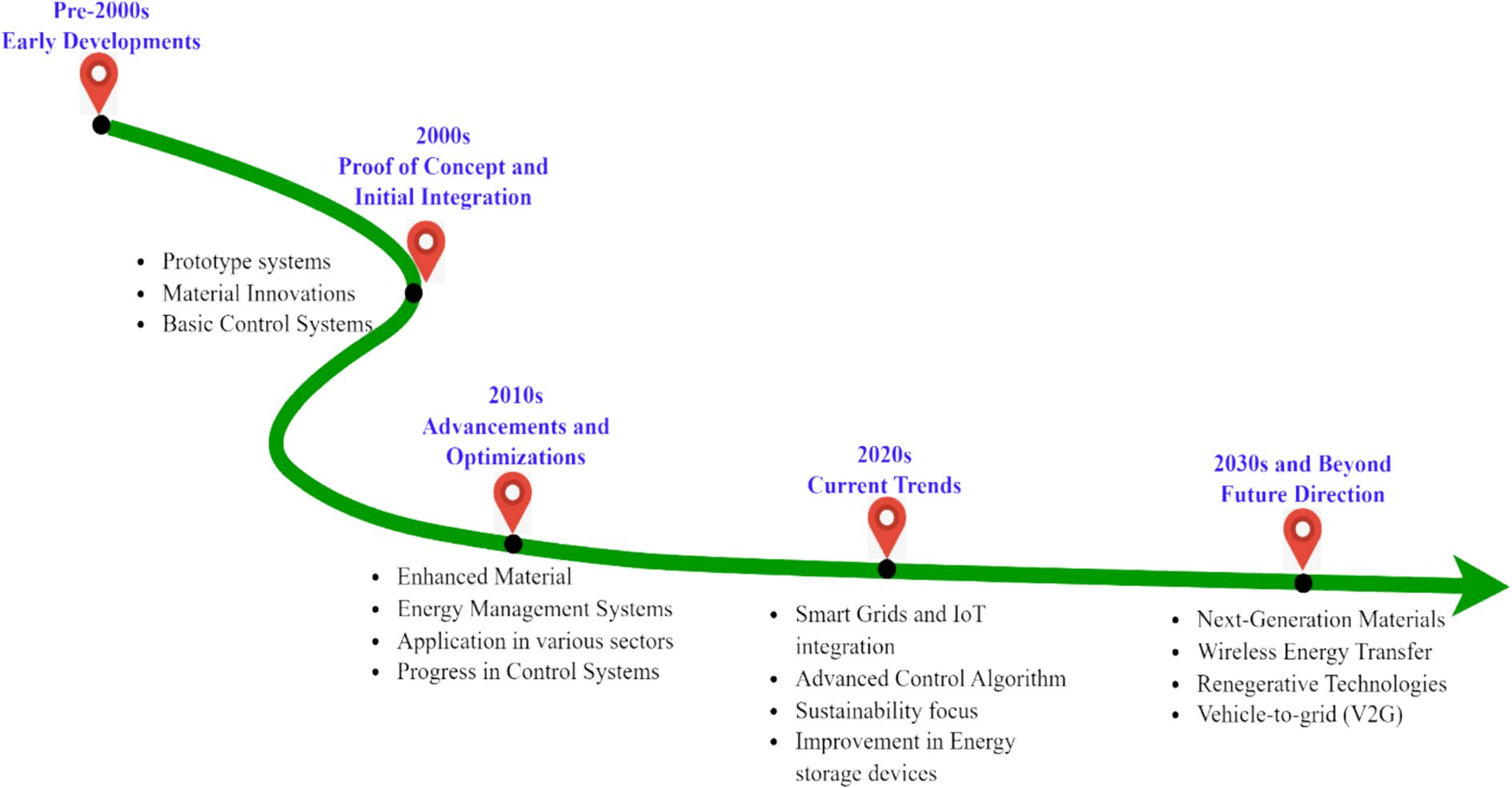
| Pre‑2000s | Early developments | Prototype systems, novel materials and basic control concepts |
| 2000s | Proof of concept | Initial integration of multiple devices and demonstration projects |
| 2010s | Advancements & optimisation | Improved materials, energy management systems and sector‑specific applications |
| 2020s | Current trends | Smart grids, IoT integration, advanced algorithms and sustainability focus |
| 2030s and beyond | Future direction | Next‑generation materials, wireless energy transfer and vehicle‑to‑grid systems |
References
- A. M. Adeyinka, O. C. Esan, A. O. Ijaola and P. K. Farayibi, “Hybrid energy storage systems: a review,” Sustainable Energy Research (2023).